

Provision in the light of period poverty
How BMS World Mission’s partner, Justice Livelihoods Health, is tackling period poverty in Uganda.

Every month, countless girls quietly slip out of class and miss valuable learning time. For many, this absence is caused by something that should be completely natural: their period.
Across the world, every month, young girls get their period for the first time. For some, it marks a momentous milestone: officially becoming a woman. For a few, it can bring confusion and panic, especially if they don’t know what is happening. And for many, it brings the sting of shame and worry about how they can afford to manage their period.
Access to menstrual products is fundamental to women’s and girls’ health and dignity. However, period poverty means this is not guaranteed. It’s a global health issue affecting women and girls in both high and low-income countries. Without the products and facilities they need, women and girls face increased health risks and miss work and school.
In few countries is this more the case than in Uganda.
Uganda's period poverty statistics
With up to a quarter of girls dropping out of education due to period poverty, these heartbreaking statistics show the impact that it has across Uganda.
The percentage of schoolgirls without the ability to adequately manage their menstrual hygiene.
The percentage of women and girls without proper access to menstrual health and hygiene products.
The percentage of academic days girls miss due to their period
Meet Nyakang and Kenema, two 13-year-old girls living in Kasese, Uganda. They’ve both experienced period poverty first-hand. “We lack confidence even to work with other friends, to go to class, or even dodge classes because of a lack of pads during regular school visits," explains Kenema. Both of them know too the dread of not having period supplies and the impact on their education. “[When] I feel a stomach ache,” Nyakang shares, “I have to go to the matron and take medicine, and after 30 minutes it can go, but I have to go check up to see if [my period] has started or not.”
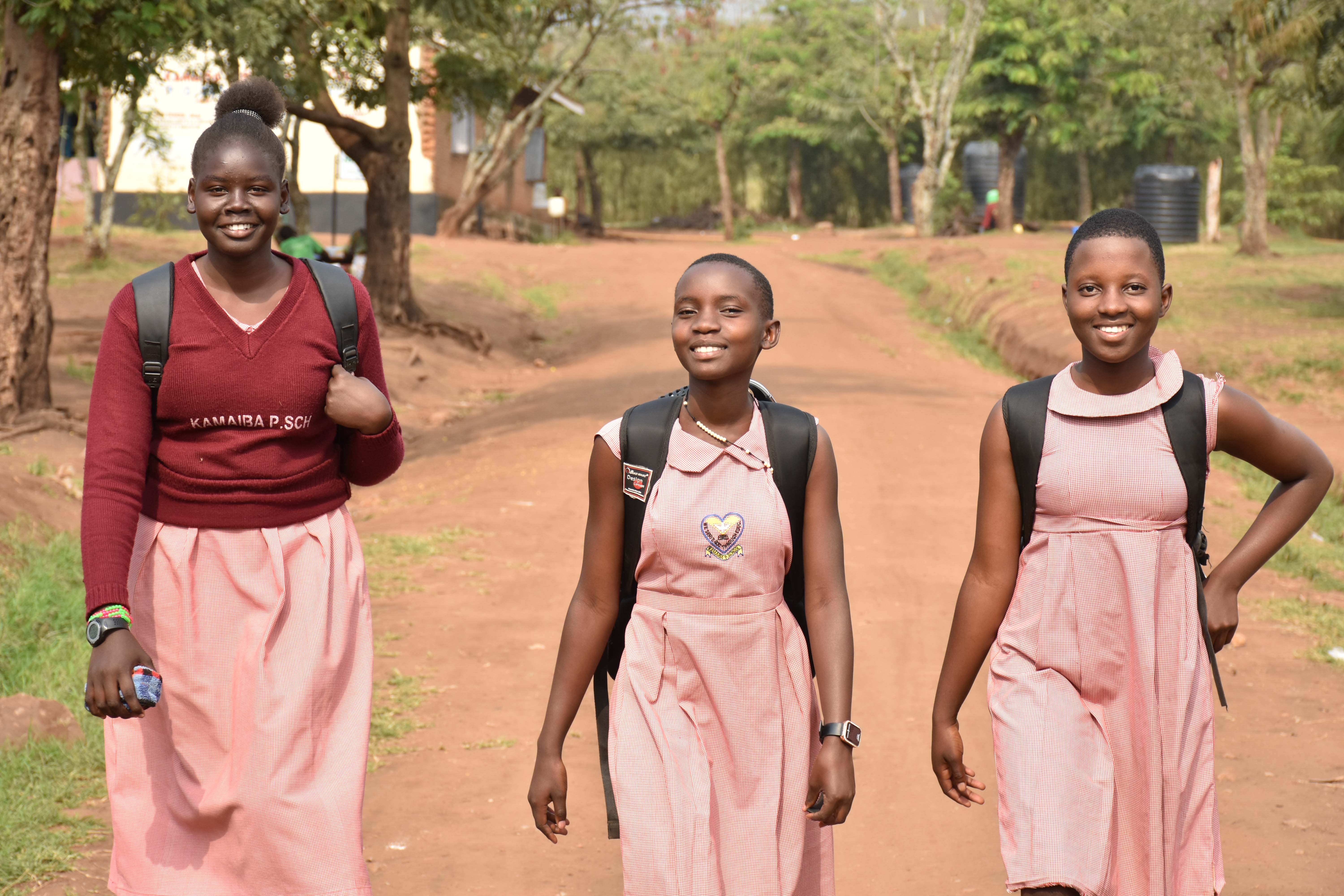
The idea to change things came from BMS’ partner, Justice Livelihoods Health (JLH). Through regular engagement with schools and communities in Kasese, they found that girls just like Nyakang and Kenema would disappear when their periods were due. Teachers and matrons shared that many girls simply could not afford sanitary pads, and some were using unsafe alternatives or staying home out of embarrassment and fear of leakage.


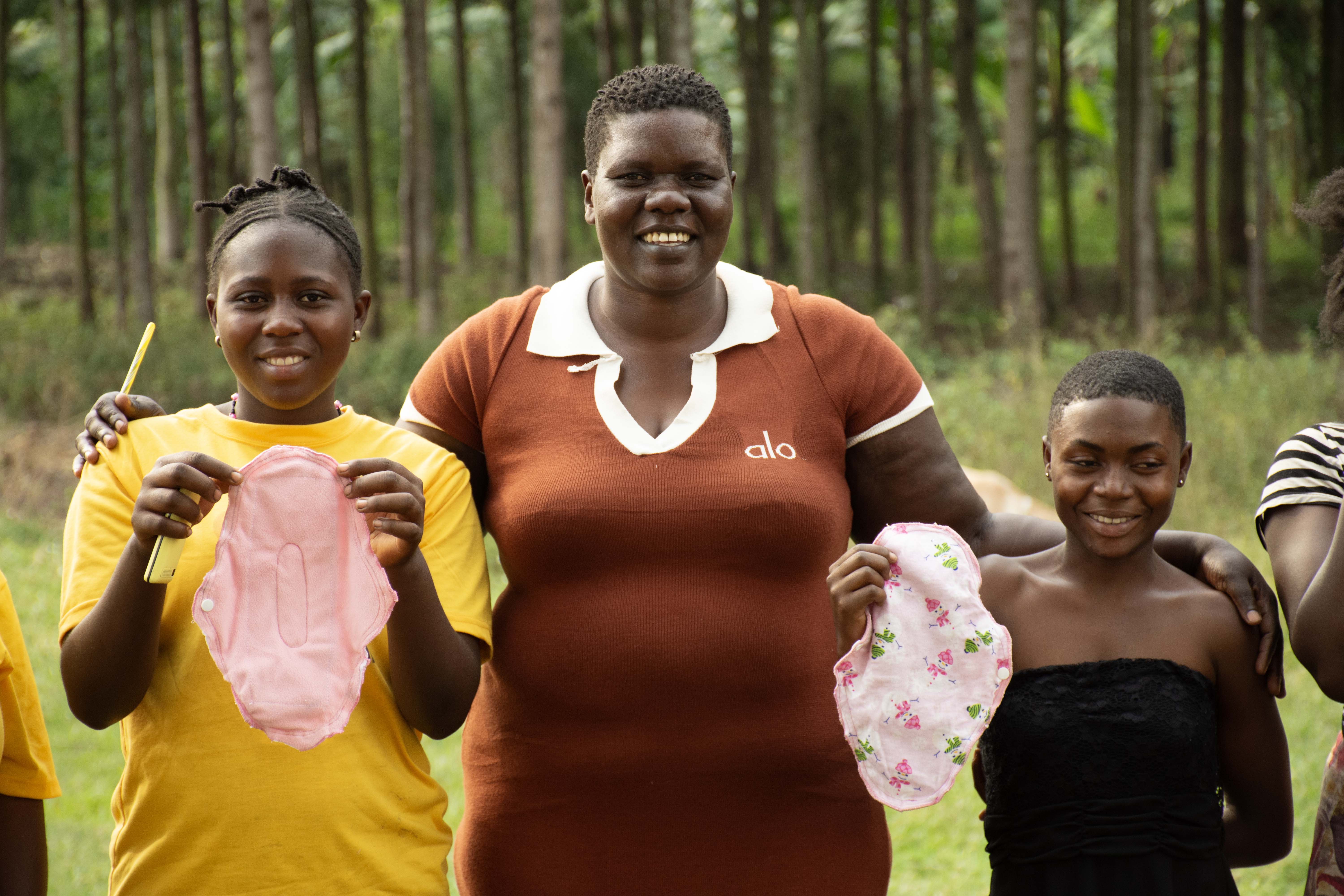
The team at JLH knew they had to do something to help. So, they started producing reusable pads which they distributed to vulnerable girls in selected partner schools. They also started teaching students about menstrual health, aiming to dispel some of the stigma and shame around periods. Fittingly, the team named the project ‘Her Pride’.
Basigiranda, a 23-year-old who lives in a nearby village, has also seen her life transformed by the project. Like Nyakang and Kenema, she received reusable pads from JLH, which have saved her money by lasting up to a year. The pads have also helped her gain confidence in her body, as they feel more comfortable than the disposable pads found in the shops.
But for JLH staff members, simply providing pads was not enough.
The team have also begun to teach young women how to make their own reusable pads, giving those involved a chance to make their own income, hone new skills and become more independent.
Since launching the project in November 2025, JLH has already begun to see positive changes within the schools and communities where they work.
Teachers are reporting improved attendance during girls’ menstrual cycles, and many girls are now participating more confidently in class without fear or shame. JLH is also seeing a reduction in stigma around menstruation as conversations are becoming more open in schools.
Though it is still in its early stages, JLH’s initiative is already restoring dignity, protecting education and creating economic opportunities for women, while building hope for the future. Through your support of BMS, you’re doing the same.
Thank you for helping to fight period poverty for young women in Uganda. Because of you, there are now classrooms of girls learning with confidence, no longer wondering how they’ll slip out of school should their period come.
Author: Alice Cheeseman
Published: 13/05/2026
Get thinking about gender justice
We are passionate about seeking justice and equity for women in all we do. Explore more with our Gender Justice resources, created alongside Gender Justice Co-ordinator Annet Ttendo-Miller, below!
