


From Iron Man to Eid, Bangladesh
Behind everything we wear are millions of people known to God. So where we buy our clothes and how it impacts people like Monjur from Bangladesh matters.
Lying on the River Ganges in Bangladesh, Dhaka is a bustling economic hub, the fourth highest ranked South Asian country in terms of Gross Domestic Product (GDP). A significant proportion of this income flows from the garment industry, which employs vast swathes of the population.
Monjur Hossein works in a garment factory for up to 12 hours a day. Every time he completes a piece of clothing to the required standard, he’s paid 70 Taka. He makes around ten garments a day. To put that into context, a takeaway cappuccino from a high street coffee chain in the UK costs around £4.50. Monjur’s daily wage would just about pay for one impulse buy that many of us take for granted.
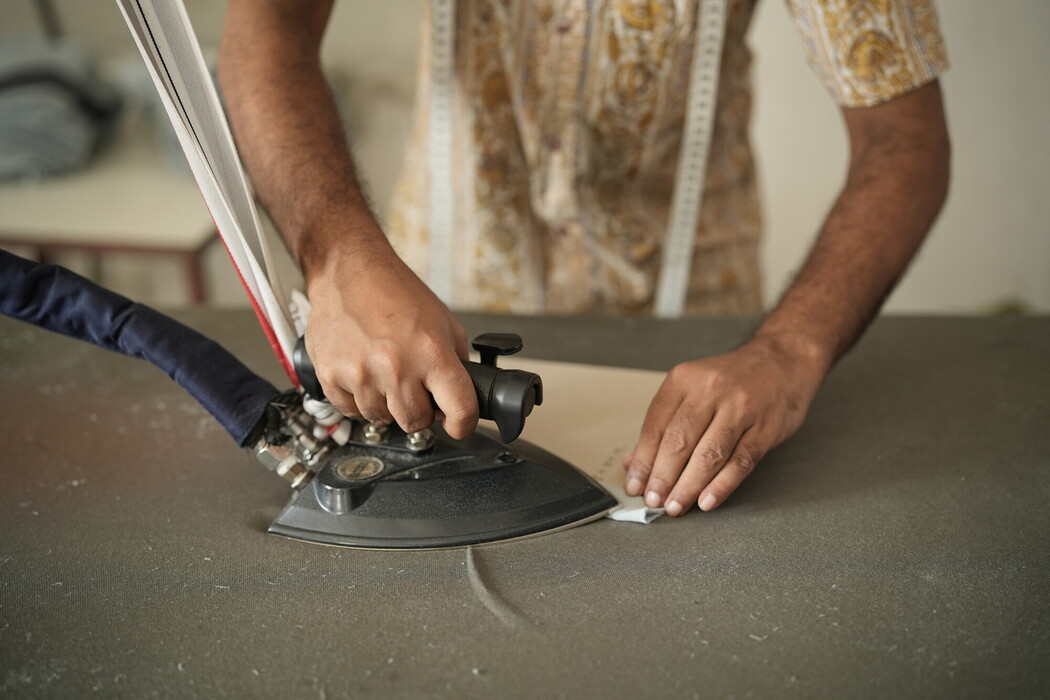
Monjur started his working life as an ‘iron man’, pressing completed garments to get them ready for shipping. He is a skilled worker and he loves his job. The trouble is it doesn’t pay him enough to support his family. His wife works full time in a factory; his daughter has finished her SSCs (the Bangladeshi equivalent of GCSEs), and his eight-year-old son is at primary school. But however hard the family work, money is incredibly tight. The cost of living in Dhaka is relatively high, but the payoff is that it is the hub of the garment-making industry and there are plentiful jobs to be had. Monjur and his family count themselves as lucky to be almost continuously employed.
On paper, Monjur should be able to earn a good wage. He is a skilled artisan, is passionate about sewing and specialises in making ‘punjabis’, the high-collared tunics worn by Muslims for prayers and festivals. There is a huge demand for these garments, and since around 91% of Bangladeshis follow Islam, it’s a growth industry. However, in the two months following Eid, the demand for punjabis dips alarmingly, leaving Monjur economically vulnerable. During those eight weeks, he takes any work he can find. This experienced artisan could find himself working as a day labourer, driving a delivery van or doing jobs in other people’s houses. Even working at maximum capacity, his family are often forced to borrow money to pay for food, school fees and everyday necessities during Ramadan and beyond. With this kind of piecework employment, it’s two steps forward, one step back, leaving Monjur and his family with little economic stability.
There are other issues too. Working such long hours has an impact on family life.
“When I go back to my family after ten hours in the factory, I feel I have no energy to play with my children or talk with my family and my wife.”
If Monjur could complete between 15-20 garments a day, more money would come into the household budget, but he knows that there is no way anyone could make more than 13 pieces a day and retain the excellence expected. Each garment he sews is inspected by a quality checker, and if a fault is found, it has to be redone for no extra wages. Monjur is already working as hard as he can but sadly, in spite of his passion and skill, it is never quite enough.
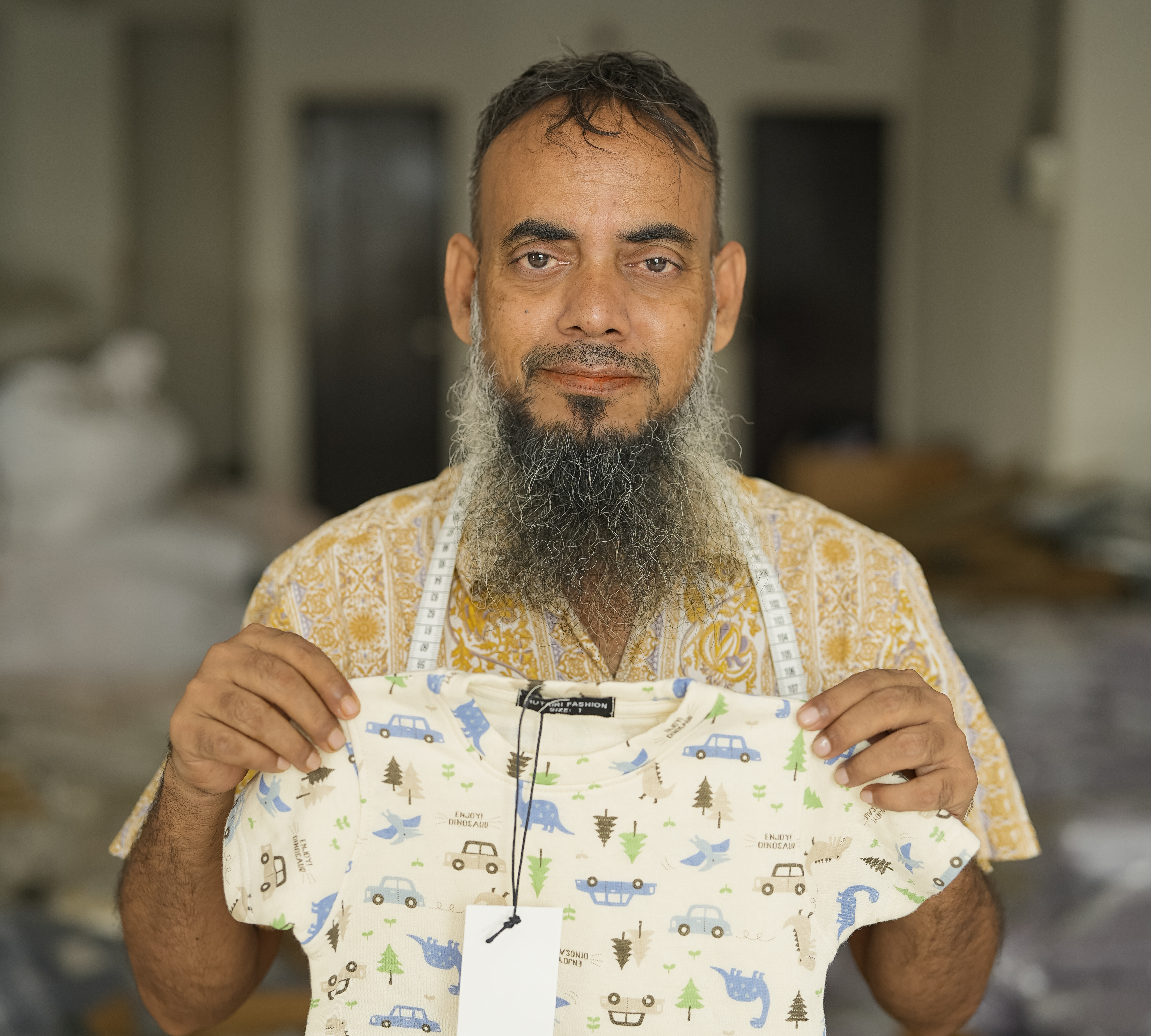
But there is hope. Monjur dreams of giving up work in the factory at 60 and passing on his skills to young people to give them a future. In the meantime, if he were paid a living wage and therefore able to aspire to a better standard of living, his life and that of his family would be transformed.
And we can help garment workers like Monjur. Our Ethical Fashion Guide and Brand Checker (see below) is designed to help you make good decisions about the clothes you buy and the brands you support. Making small, informed changes in our buying habits impacts people like Monjur, who is paid a low wage for working incredibly long hours.
As well as scores for all 336 fashion brands featured on our online Brand Checker, the guide includes facts and figures about the clothes we wear, introduces us to other amazing garment workers in Bangladesh, and even includes some top purchasing tips from ‘Ethical Aunt’! Take a look - it will open your eyes to the reality of lives lived by people like Monjur and give you a real insight into how you can make a difference.
Author: Ruth Leigh
Published: 19/11/2026
Ethical Fashion Guide resources
Influence change through your everyday decisions by finding out how your favourite clothing and footwear brands care for their workers and the environment with our Ethical Fashion Guide, Brand Checker, and Threads Bible studies.
